The 4 White Grape Varieties You Need to Know for Level 2
2026-05-04 · 5 min read
🍇 Chardonnay
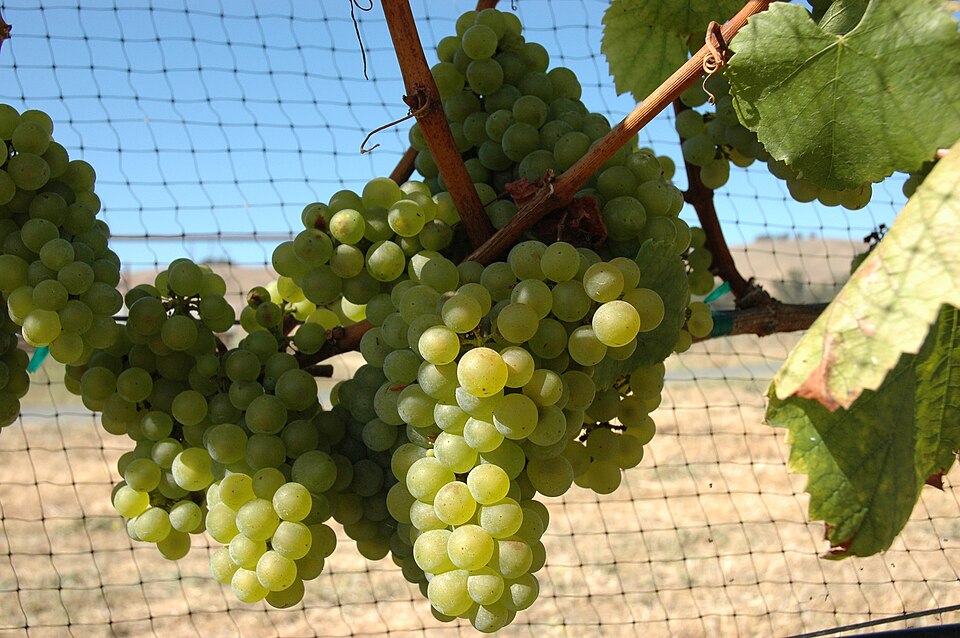
GIs within the EU:
- PGI: Pays d'Oc (France)
- PDO: Bourgogne/Burgundy, Chablis, Puligny-Montrachet, Meursault, Mâcon, Pouilly-Fuissé (France)
GIs from other countries:
- USA: California, Sonoma, Los Carneros, Napa Valley, Santa Barbara County, Oregon
- Chile: Central Valley, Casablanca Valley
- South Africa: Western Cape, Walker Bay
- Australia: South Eastern Australia, Yarra Valley, Adelaide Hills, Margaret River
- New Zealand: Marlborough, Hawke's Bay
What it tastes like: A chameleon grape. Cool climate — green apple, lemon, wet stone, light to medium body, high acidity. Warm climate — peach, melon, tropical fruit, medium to full body. Oaked styles add vanilla, butter, toast.
Key labelling terms: Burgundy Premier Cru, Grand Cru
Exam tip: The buttery flavour comes from malolactic conversion (MLF). Chablis is unoaked, Puligny-Montrachet and Meursault are oaked. Pays d'Oc is the PGI-level entry point.
🍇 Sauvignon Blanc
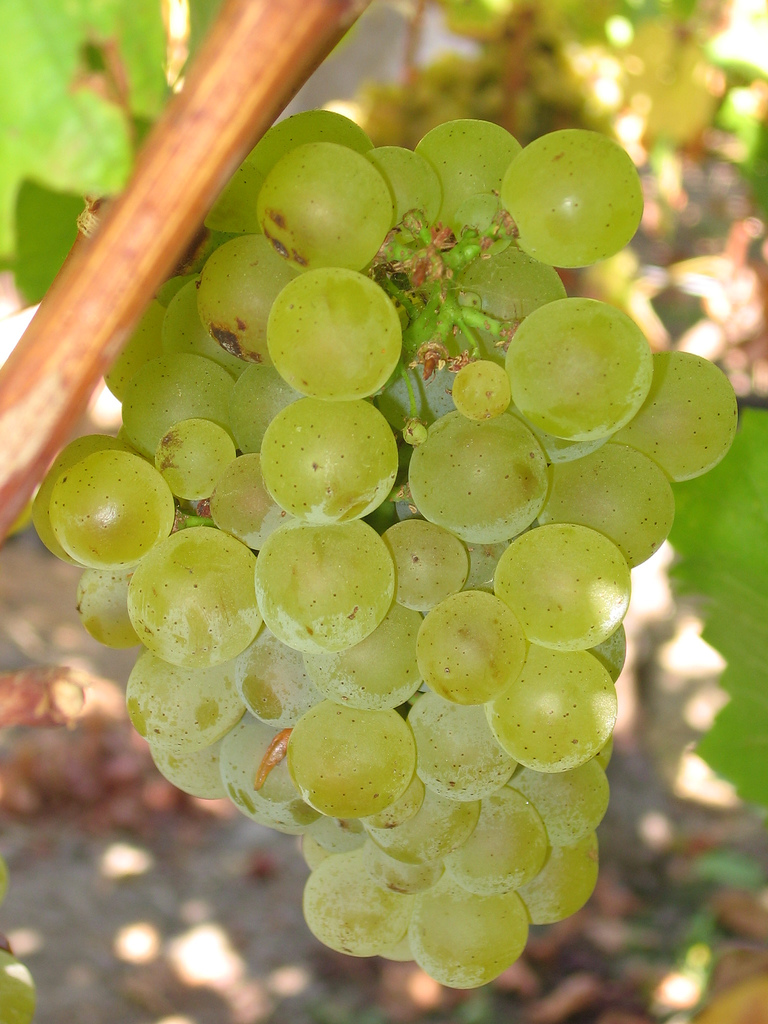
GIs within the EU:
- PGI: Pays d'Oc (France)
- PDO: Sancerre, Pouilly-Fumé, Touraine (Loire); Bordeaux, Graves, Pessac-Léognan (Bordeaux)
GIs from other countries:
- USA: Napa Valley
- Chile: Central Valley, Casablanca Valley
- South Africa: Elgin, Constantia
- Australia: Adelaide Hills, Margaret River
- New Zealand: Marlborough
What it tastes like: Unoaked, high acidity, light to medium body — gooseberry, green bell pepper, cut grass, passion fruit, grapefruit. Marlborough Sauvignon Blanc is famously pungent with bold tropical notes.
Exam tip: Almost always unoaked. The herbaceous green notes come from pyrazines. Sancerre is more subtle and mineral-driven than Marlborough. Bordeaux produces both varietal and blended (with Sémillon) styles.
🍇 Riesling
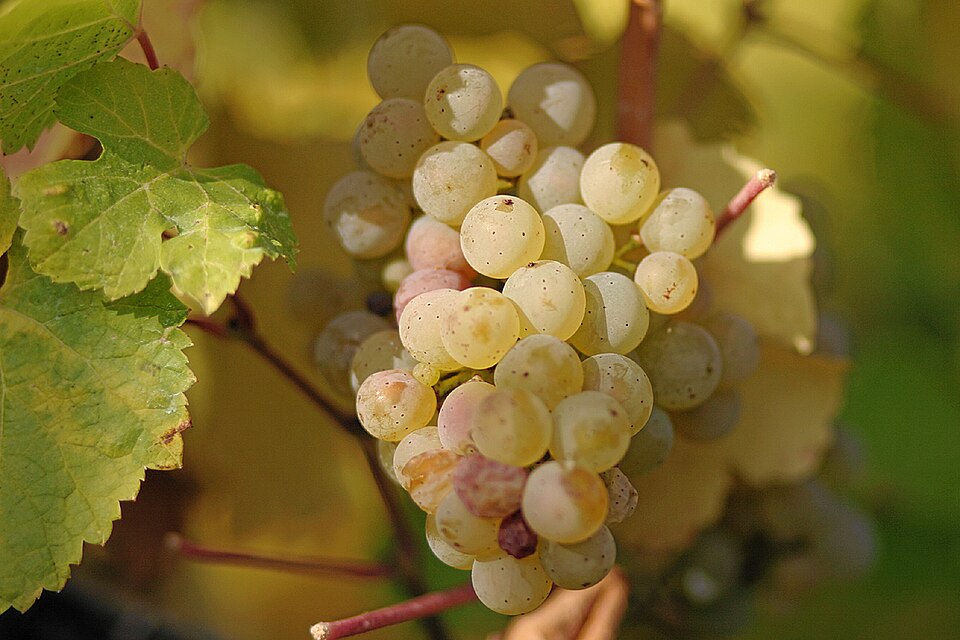
GIs within the EU:
- PDO: Alsace (France); Mosel, Rheingau, Pfalz (Germany)
GIs from other countries:
- Australia: Clare Valley, Eden Valley
What it tastes like: Highly aromatic — floral, citrus (lime, lemon), green apple, peach, apricot. Acidity is piercingly high. Body from light to medium. Can be bone-dry to lusciously sweet.
Key labelling terms: Prädikatswein levels: Kabinett → Spätlese → Auslese → Beerenauslese (BA) → Trockenbeerenauslese (TBA) → Eiswein. Also: Trocken (dry), Halbtrocken (off-dry). Alsace Grand Cru.
Exam tip: High acidity makes it incredibly age-worthy — develops petrol/honey notes. Know the Prädikat ladder cold — it's always on the exam.
🍇 Pinot Grigio / Pinot Gris
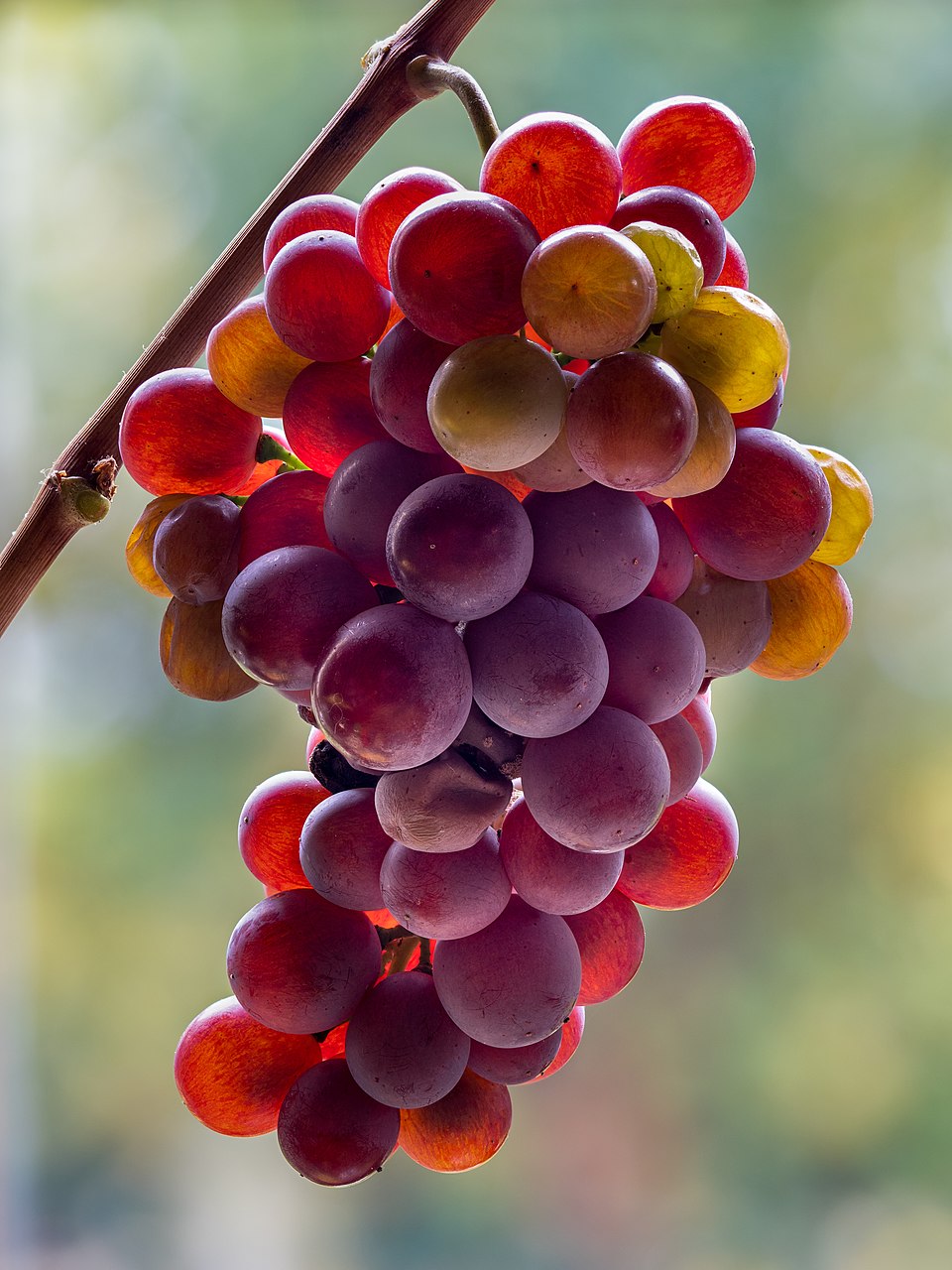
GIs within the EU:
- PDO: Alsace (France); Delle Venezie, Friuli-Venezia Giulia (Italy)
- PGI: Veneto (Italy)
What it tastes like: Two distinct styles. Italian Pinot Grigio: light-bodied, high acidity, crisp — lemon, green apple, almond. Alsace Pinot Gris: medium to full-bodied, lower acidity, richer — pear, apple, stone fruit, honey, spice.
Exam tip: Same grape, very different wine. Italian Pinot Grigio = light, crisp, unoaked. Alsace Pinot Gris = richer, fuller-bodied, honeyed spice. Alsace Grand Cru applies here too.
📝 Final Exam Tips
The Level 2 exam is 50 multiple-choice questions. Here's what to focus on:
- Know your GIs — For each grape, memorise the major PDOs. At least 5-6 questions test your ability to match grapes to their classic regions.
- Climate matters — Cool vs warm climate changes everything. Chardonnay from Chablis ≠ from Adelaide Hills.
- Winemaking 101 — Oak vs unoaked, malolactic conversion, lees ageing. One question often hinges on this.
- Labelling terms — Prädikat levels for Riesling, Premier/Grand Cru for Burgundy and Alsace. These are directly tested.
Quick reference:
🍇 Chardonnay — Variable body & acid. Oaked = vanilla, butter. Unoaked = lean, mineral. Key regions: Burgundy, California, Australia.
🍋 Sauvignon Blanc — High acid, light body. Green herbaceous notes. Think Sancerre and Marlborough.
🇩🇪 Riesling — High acid always. Sweetness ladder from Trocken to TBA. Key regions: Mosel, Rheingau, Pfalz, Alsace, Clare/Eden Valley.
🇮🇹 Pinot Grigio/Gris — Two faces. Italian = light, crisp. Alsace = richer, spiced.
Master these four and you'll breeze through the white wine questions. 🍷